
Psychological science. Human understanding.
Softmind began in 2011 with a simple idea: psychological care should begin with understanding the person, not simply naming the problem. People are shaped by many things — biology and development, learning and memory, relationships, environment, culture and the experiences accumulated across life.
Our work therefore draws from contemporary understanding in applied psychology, affective and evolutionary neuroscience, developmental science and biology, cognitive science, psychophysiology and human behaviour. These perspectives do not give us one complete explanation of a person. Instead, they help us ask better questions about how people feel, think, relate, learn and behave.
Across our four centres in Kerala, our multidisciplinary team brings this thinking into psychological care for individuals, couples and families, children and adolescents. Our approach brings together evidence-based psychological therapies, neuroscience-informed care, technology-assisted interventions and measurement-informed care, shaped around the individual.
Where clinically appropriate, qEEG-based assessment and brain mapping, neurofeedback, biofeedback and specialised neuromodulation approaches may provide additional information or support an intervention. We use technology when it has a clear purpose—not simply because it is available. Technology is never the centre of our work. Understanding the person is.
Beyond clinical care, our work extends to Human Experience, psychological knowledge, research and innovation, professional training and international collaborations.
Science guides the care. Technology supports it. The person remains at the centre.
Understanding the person comes first
Softmind began with a question that still matters to us: how do we understand a person without reducing their experience to a diagnosis or a label? People are complicated. What we feel, think and do can be influenced by our biology, early development, learning, relationships, bodily states, environment and the experiences we accumulate over time. Two people may describe what appears to be the same problem and still have very different reasons for experiencing it.
No single theory explains all of this. That is why our work draws from different areas of contemporary science, including applied psychology, affective and evolutionary neuroscience, developmental science and biology, cognitive science, psychophysiology and the study of human behaviour.
From our centres in Kerala, including Kochi, Softmind brings this way of thinking into psychological care for individuals, couples and families, children and adolescents.
From understanding to intervention
We prefer to understand what is happening before deciding what should be done. That means looking beyond the immediate difficulty. How did it develop? What may be maintaining it? What is happening in the person's relationships and environment? How does the body respond? What has been learned from previous experiences? What helps? What seems to make things worse?
The answers are rarely the same from one person to another. Our therapeutic work therefore draws from evidence-based psychological interventions, but an intervention is considered in relation to the individual rather than applied simply because a particular label has been given.
If something is helping, we want to know. If it is not helping, that matters too.
Four dimensions of our care
These are not four separate services. They are different ways of informing the same process of understanding and care.
Evidence-Based Therapies
Evidence matters. Our psychological interventions draw from established research and clinical practice. But evidence still has to meet the individual in front of us — their history, circumstances, preferences, strengths and difficulties. For us, evidence-based practice is not about applying a technique mechanically. It is about bringing together good evidence, professional judgement and an understanding of the person receiving care.
Neuroscience-Informed Care
Our understanding of human behaviour continues to change as neuroscience develops. Research into emotion, memory, learning, attention, prediction, bodily regulation, development and social experience gives us additional ways of thinking about psychological difficulties and human behaviour. But we are careful not to reduce a person to the brain. The brain develops within a body, within relationships and within an environment. Development, learning and experience continuously shape one another. Neuroscience therefore informs our thinking; it does not replace psychological understanding.
Technology-Assisted Interventions
We are interested in technology when it has a useful role — not simply because it is new. Depending on the person, the purpose and the clinical context, selected technologies such as neurofeedback, biofeedback and other neurotechnology or neuromodulation approaches may be used alongside psychological interventions. Technology may help us observe certain processes, provide feedback, support training or complement an intervention. But technology remains a tool. It should have a reason to be there. It does not replace clinical judgement, human interaction or the therapeutic relationship.
Measurement-Informed Care
Clinical observation matters, but we also want to know what is actually changing. Where appropriate, we follow psychological, behavioural, functional and physiological measures over time. In selected situations, qEEG/EEG-based assessment and brain mapping may provide additional information about patterns of recorded brain activity. Biofeedback and other physiological measures may also contribute useful information. We do not treat a brain map, a score or a physiological measurement as an explanation of the whole person. It is another piece of information. We consider it alongside the person's experience, clinical assessment, history, behaviour and other relevant findings.
Beyond labels
A diagnosis can describe something. It cannot describe everything.
Diagnostic language can be useful. It can help professionals organise information, communicate with one another and make certain clinical decisions. But a diagnosis cannot contain the whole person.
A person's present experience has a history. Biology, development, learning, relationships, culture, environment and life events may all have contributed to what we see today. We are therefore interested not only in what a difficulty is called, but in how it came to exist in this particular person's life.
Beyond labels. Towards understanding.
Human Experience
Psychology is also about ordinary life. Not every important human experience is a disorder.
Why do we become deeply attached to some people? Why can rejection stay with us for years? Why does the body sometimes respond before we understand what we are feeling? How does a sense of self develop? Why do apparently similar experiences affect two people differently? How do relationships change the way we experience ourselves and other people?
These are psychological questions too.
Through Human Experience, we explore how people feel, think, relate and behave across:
Our intention is to bring psychological science closer to the questions people actually encounter in everyday life.
Knowledge Centre
Science should be understandable without being oversimplified.
Psychological ideas now travel quickly, particularly through social media. Complex experiences can easily become labels, lists, personality types and simple explanations. Human behaviour is rarely that simple.
Through the Softmind Knowledge Centre, we share articles, perspectives, videos, podcasts and other resources exploring psychology, neuroscience, relationships, emotions and human behaviour. We want scientific ideas to be understandable without pretending that science has a simple answer for every human experience. Where evidence is strong, we should say so. Where questions remain, we should be equally comfortable saying that too.
Research, Learning & Collaboration
Our understanding should continue to change.
Psychological science does not stand still, and professional practice should not stand still either. We remain interested in developments across psychology, neuroscience, psychophysiology, neurotechnology and technology-assisted psychological care.
- Through research and innovation, we explore emerging approaches and consider where they may — or may not — add value to psychological care.
- Through professional training, we create opportunities for psychologists and other professionals to deepen their knowledge, clinical thinking and practical skills.
- Through collaborations in India and internationally, we seek opportunities to work with researchers, professional organisations, institutions and technology partners around research, learning, knowledge exchange and the responsible evaluation of emerging approaches.
An evolving practice
There are things about human behaviour that psychological science understands reasonably well. There are many things we are still learning. We think it is important to acknowledge both.
As evidence changes, our understanding should be capable of changing with it. As new technologies emerge, they should be examined rather than automatically adopted. And when the person in front of us does not fit our assumptions, our assumptions deserve another look.
That matters because psychological care is ultimately about a person — not a theory, a diagnosis, a brain map, a technology or a treatment protocol. This is the kind of practice we want Softmind to continue building: a place where psychological science, professional care, technology, curiosity and human understanding can meet without any one of them becoming more important than the person.
Leadership & Operations
The dedicated people supporting Softmind's leadership, organisational development, operations, and client experience.
Executive Leadership
| Prasad Amore | Managing Director |
| Muneera S | Customer Service Representative |
| Priya M. K | Director |
| Sibi S Panicker | Director |
Advisory Board
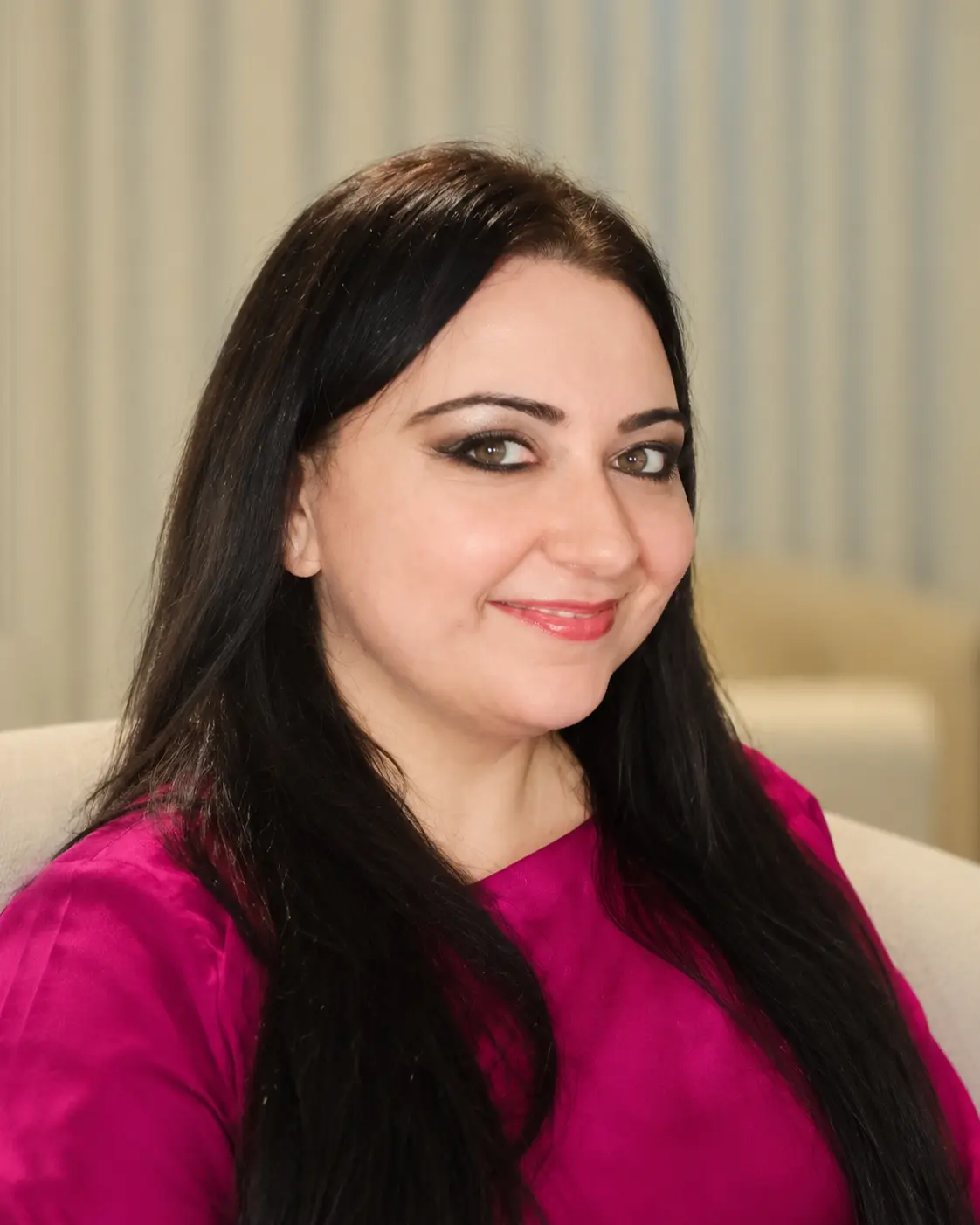
Fiona Lavinia H
Advisory BoardOrganisational Associates
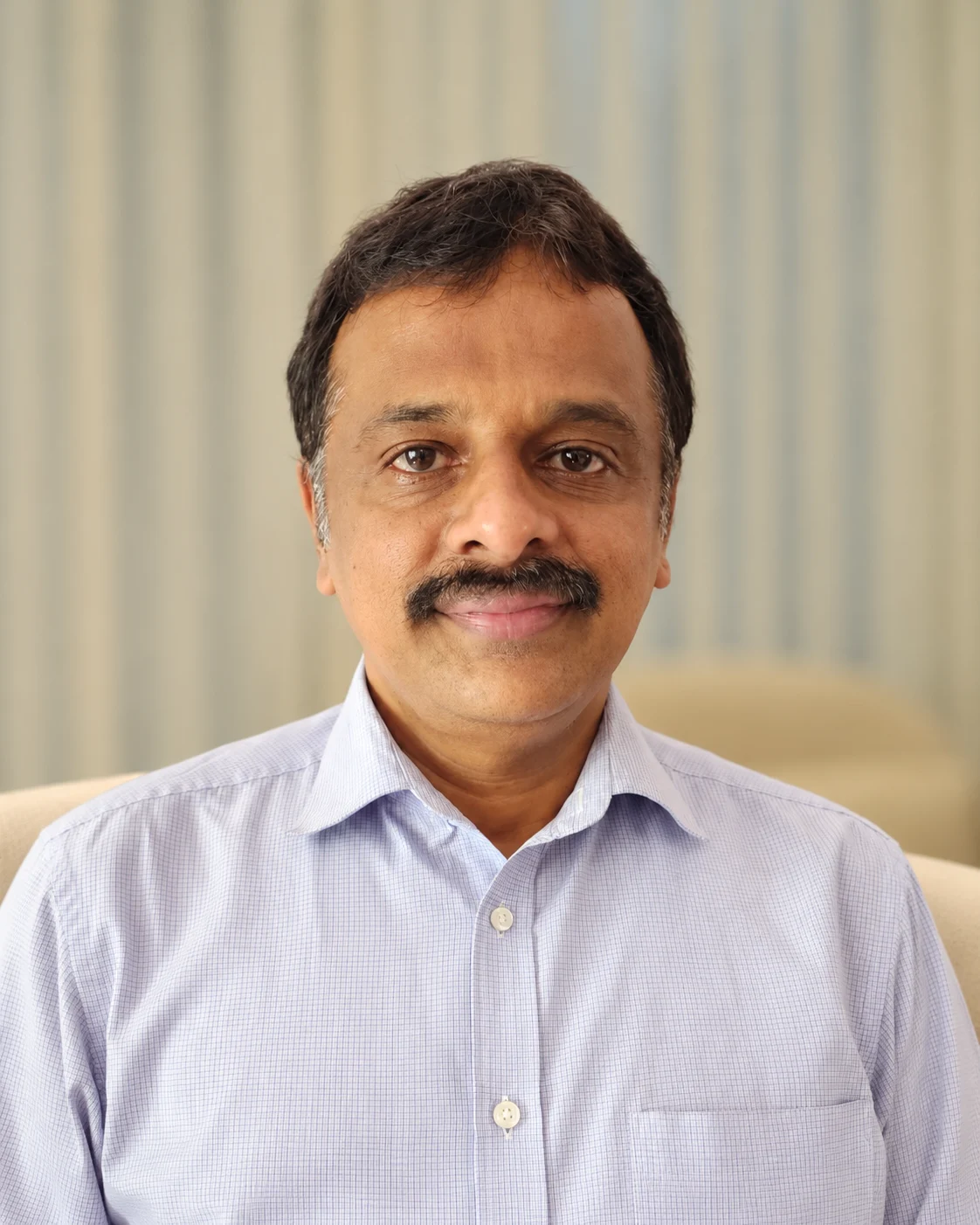
Dr. John K. Ipe
Organisational Associates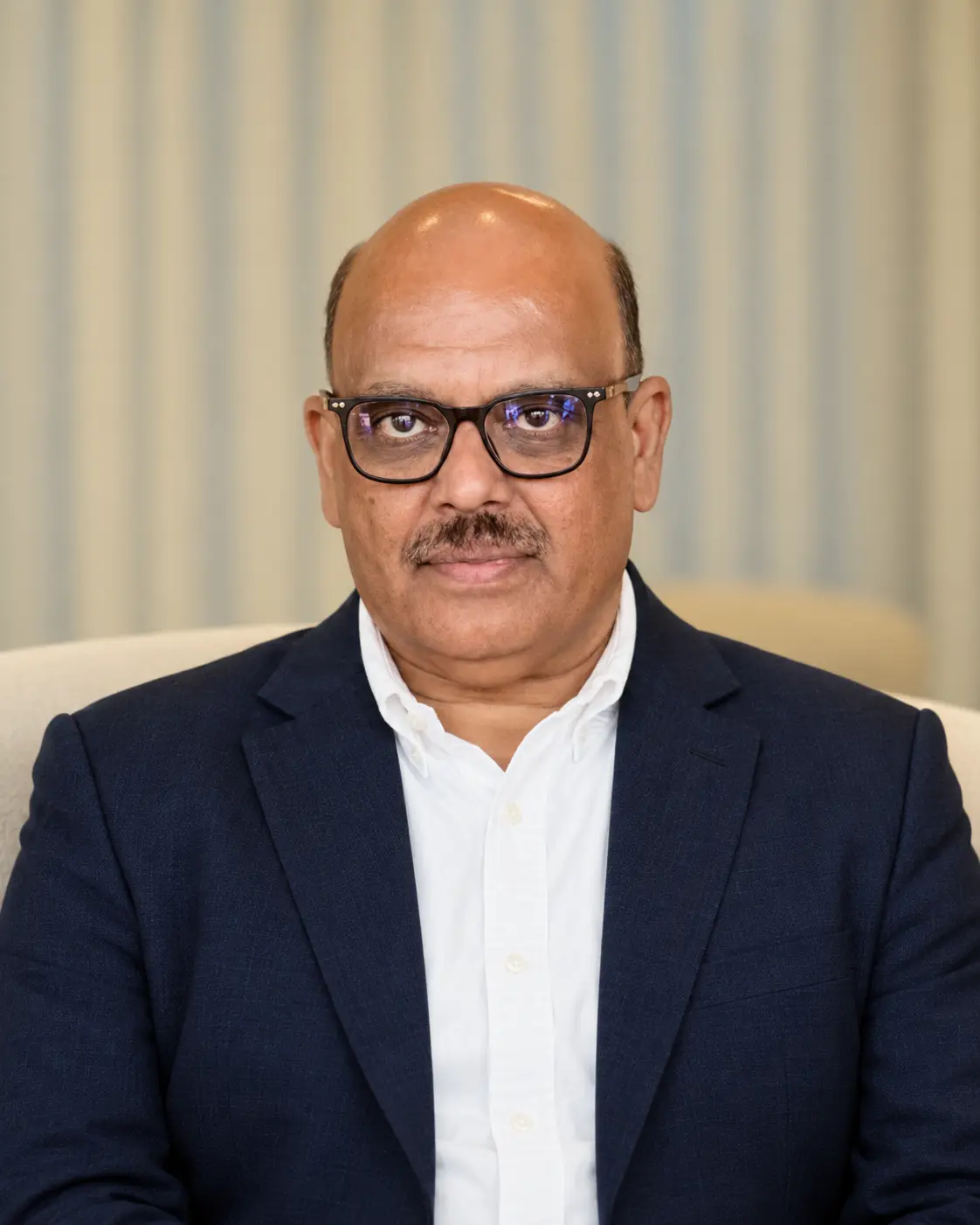
R. KK. Muhammed
Organisational AssociatesOperations
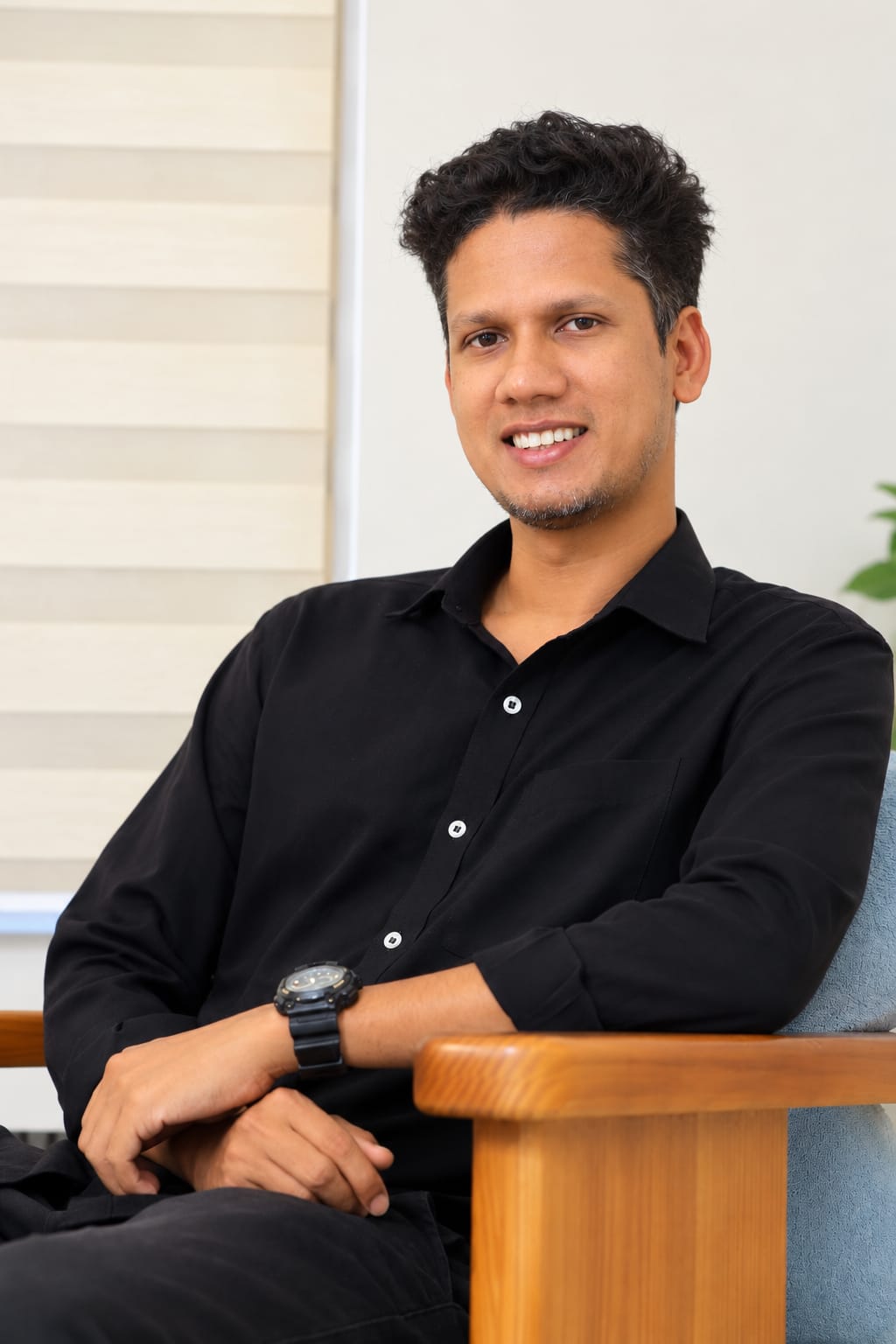
Akhil T U
Operations Manager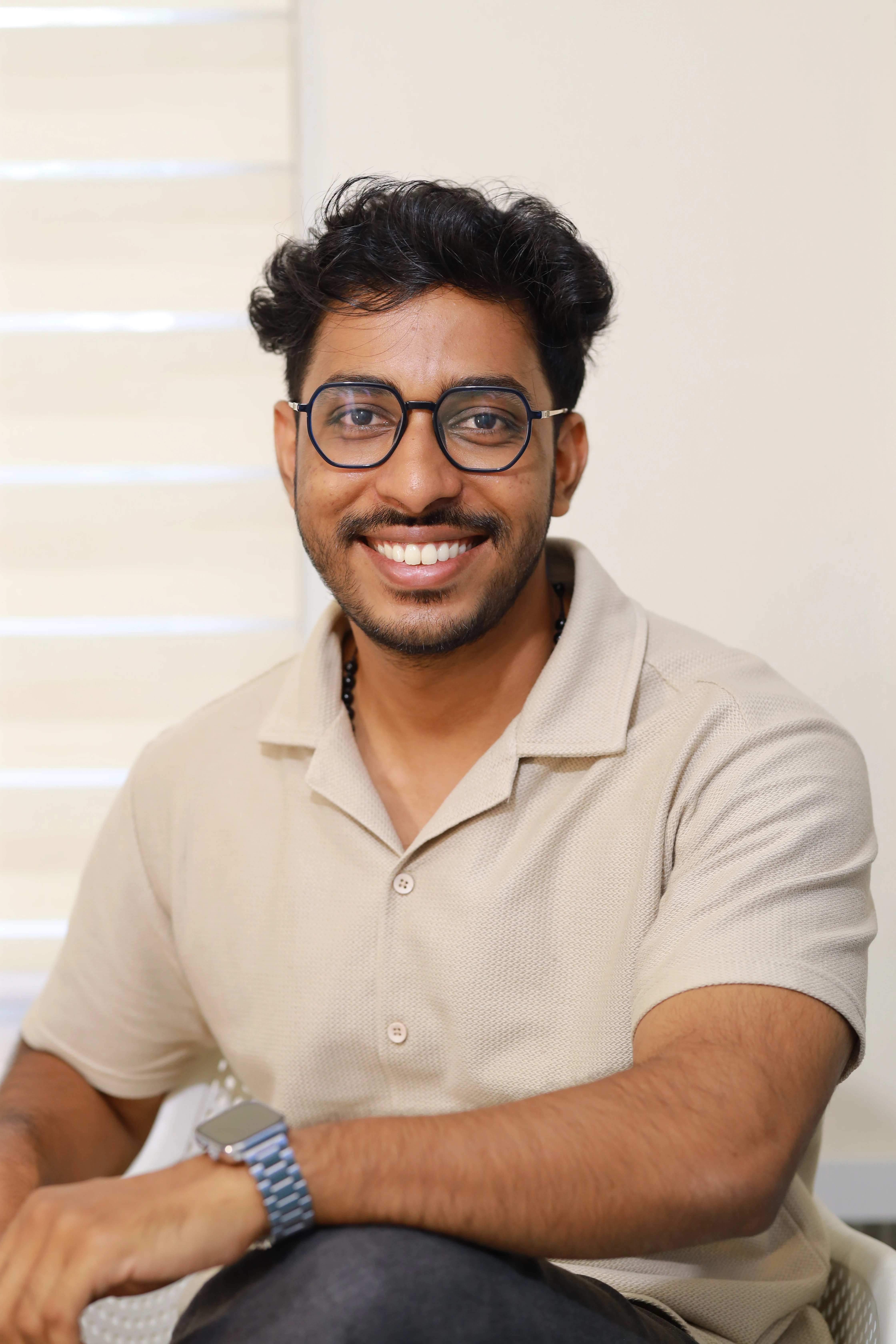
Akhil V R
Accountant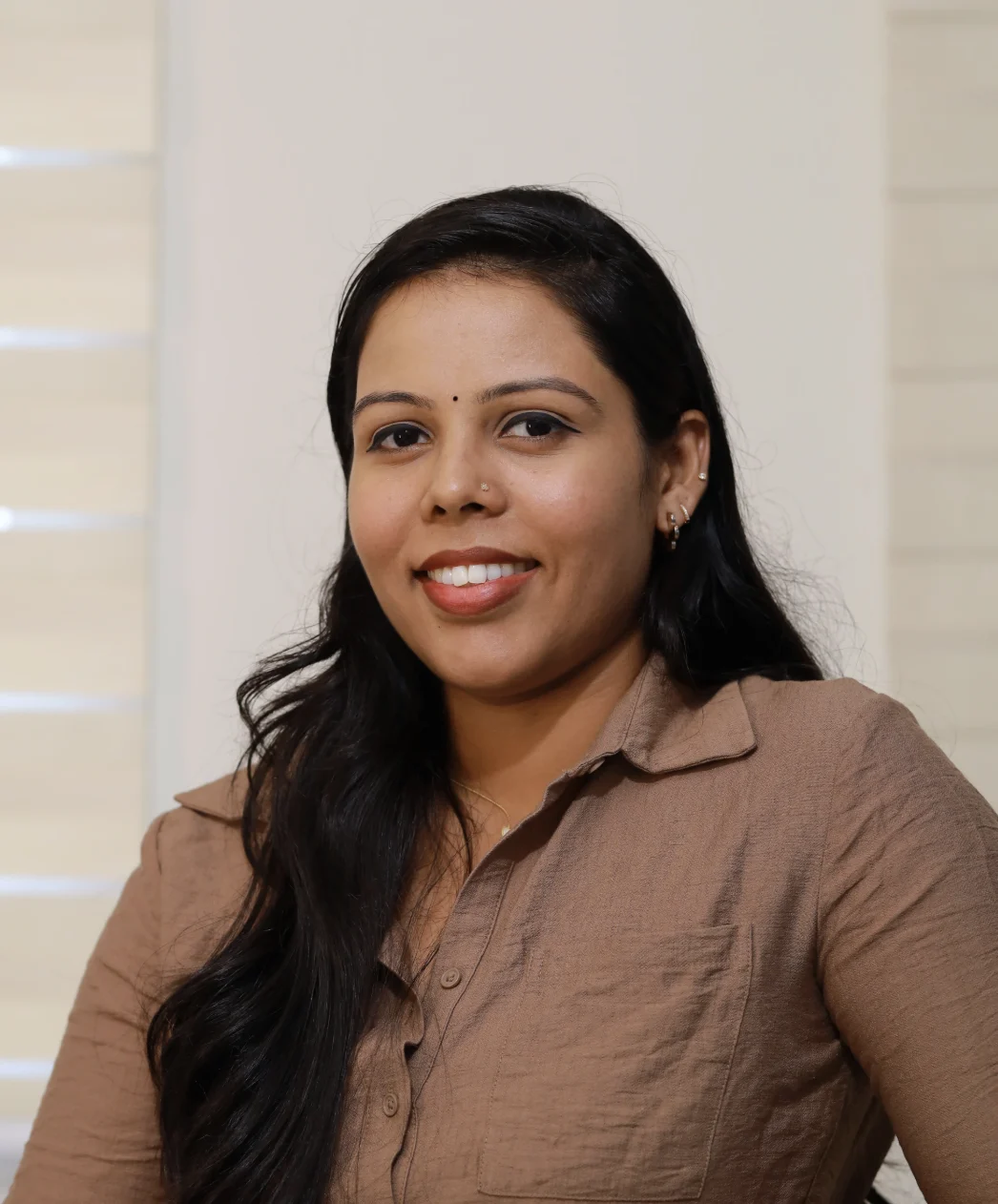
Dincy Jose
Client Care Executive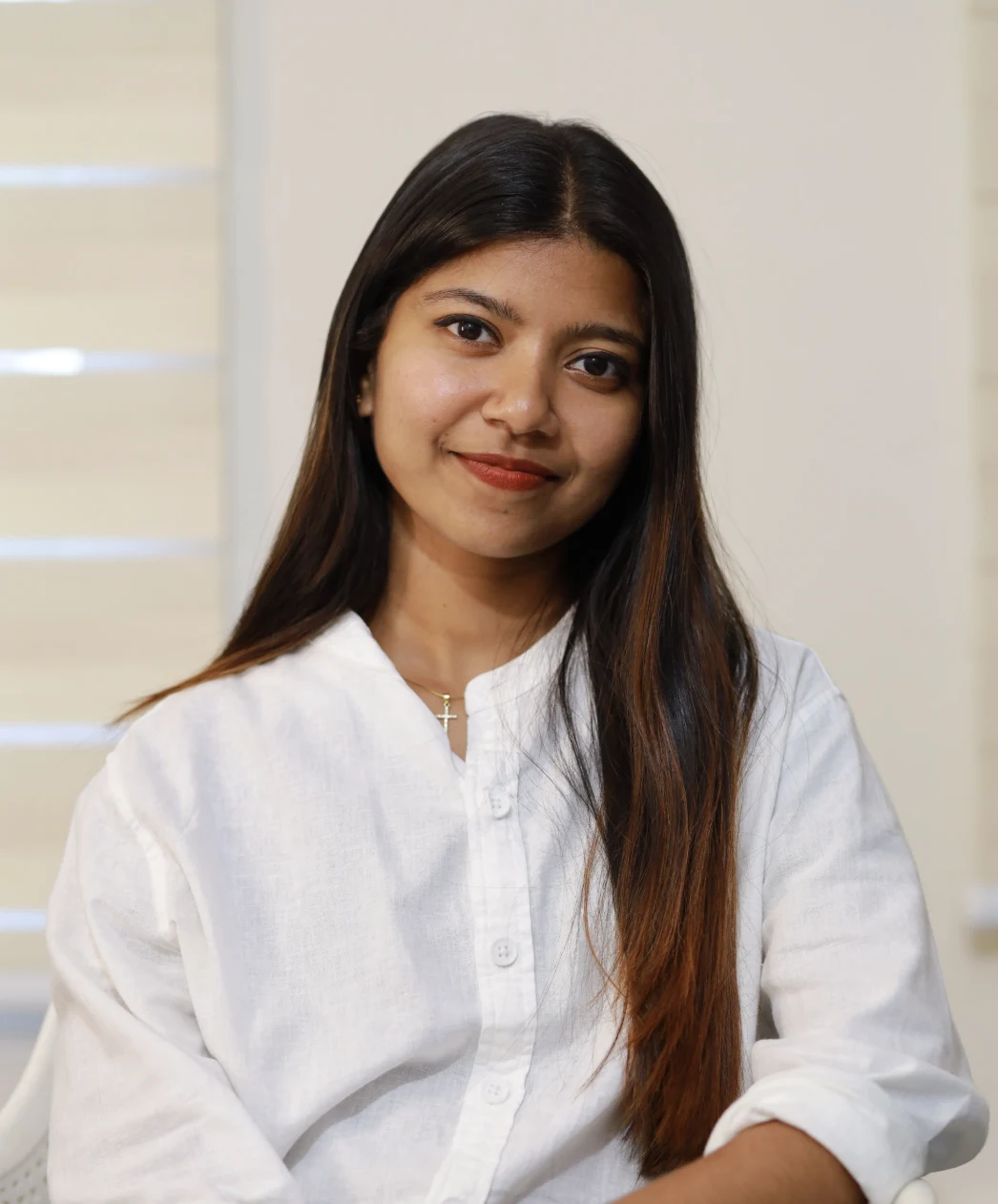
Meenu S Murali
Client Care Team Lead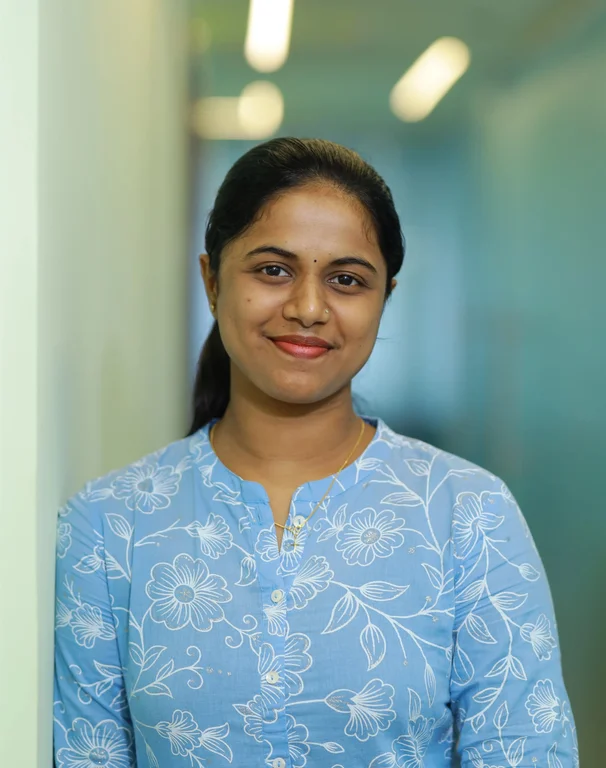
Reetha Angel Paul
ReceptionistShivya M
Receptionist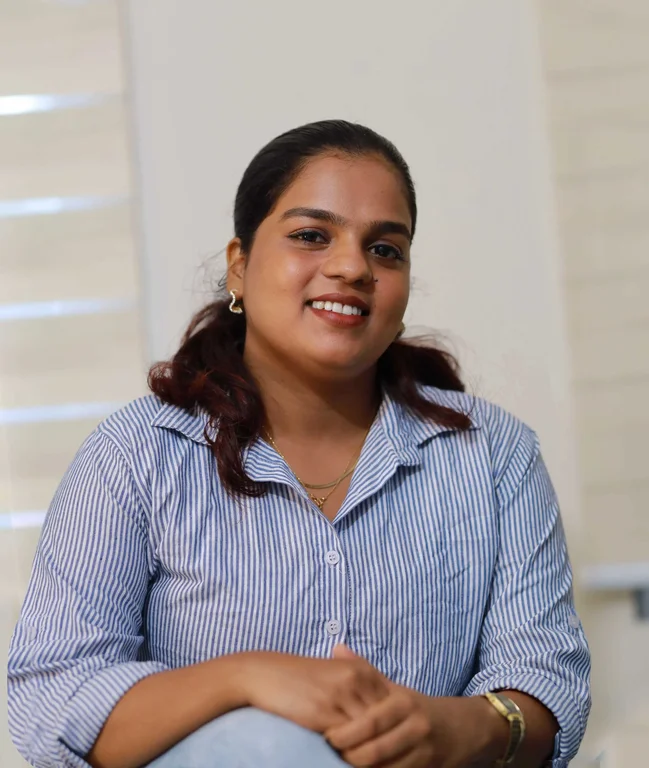
Surya KS
Customer Service RepresentativeAkhil T U
Operations ManagerAkhil V R
AccountantDincy Jose
Client Care ExecutiveMeenu S Murali
Client Care Team LeadReetha Angel Paul
ReceptionistShivya M
ReceptionistSurya KS
Customer Service RepresentativeAkhil T U
Operations ManagerAkhil V R
AccountantDincy Jose
Client Care ExecutiveMeenu S Murali
Client Care Team LeadReetha Angel Paul
ReceptionistShivya M
Receptionist